 Posted by
 Wawel Hill is the most important historic site in Krakow and one of the most significant landmarks in Poland. Rising above the Vistula River, the hill is home to Wawel Royal Castle, Wawel Cathedral, the famous Sigismund Bell, and the legendary Dragon’s Cave. For most international visitors, Wawel is the cultural and symbolic heart of the city.
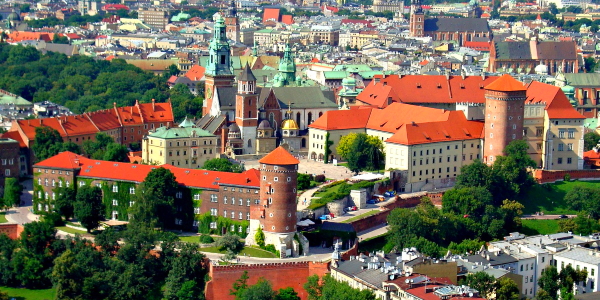
This detailed guide explains the history of Wawel Hill, what to see, how to plan your visit efficiently, how long to stay, and how to combine it with other major attractions in Krakow.
Wawel & Old Town Tours
Guided tours help connect the Royal Castle, Cathedral and Old Town history in one structured experience.
Where is Wawel Hill located?
Wawel Hill is located at the southern edge of Krakow’s Old Town, directly above the Vistula River. It is within easy walking distance of the Main Market Square (Rynek Główny). Most visitors reach Wawel on foot in 15–20 minutes.
The location is strategic. From the hill, rulers could oversee the river and surrounding lands. Today, visitors enjoy panoramic views and easy access to the historic center.
If you are arriving in Krakow and planning your route, see: How to get to Krakow.
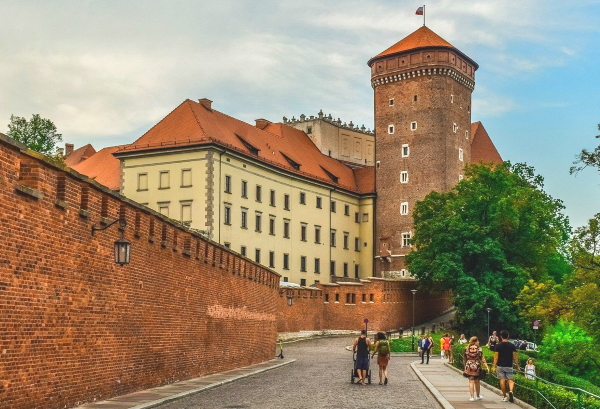
History of Wawel Hill
Wawel Hill has been inhabited since prehistoric times. Over centuries, it developed into the political and religious center of Poland. Kings were crowned here, buried here, and ruled from here. Even when Poland’s capital moved to Warsaw, Wawel remained a powerful national symbol.
The hill reflects multiple architectural periods: medieval foundations, Renaissance courtyards, Gothic cathedral structures, and later additions. This layered development explains why Wawel feels like a complex rather than a single building.
During periods of foreign rule, Wawel lost some of its political role but never lost its symbolic importance. Today it represents continuity in Polish history.
Main Attractions on Wawel Hill
1. Wawel Royal Castle
The Royal Castle served as the residence of Polish kings for centuries. Visitors can explore state rooms, exhibitions, and historic courtyards. Even without entering exhibitions, walking through the Renaissance courtyard is impressive.
Planning details: Wawel Royal Castle Guide.
Guided tours of Wawel Castle: We recommend booking one or more guided tours of the great castle of Krakow. Guided tours are inexpensive if you book online in advance. On this link you can book the guided tours
2. Wawel Cathedral
Wawel Cathedral was the coronation site of Polish monarchs. Inside you will find royal tombs, chapels, and historic artwork. The cathedral is still an active place of worship.
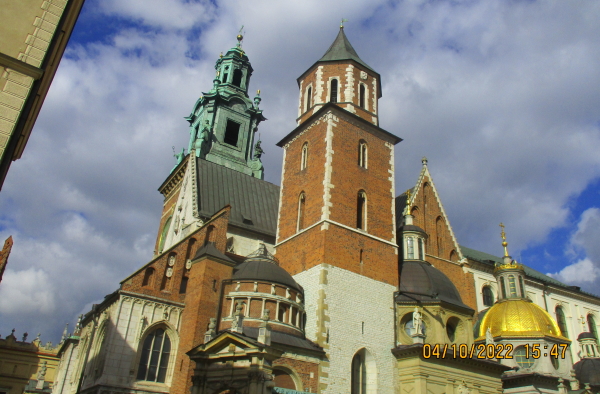
More information: Wawel Cathedral Guide.
3. Sigismund Bell
The Sigismund Bell is located in the cathedral tower and is rung only on special occasions. Visitors can climb the tower to see the bell and enjoy city views.
Details: Sigismund Bell Guide.
4. Dragon’s Cave
Dragon’s Cave connects Wawel Hill with Krakow’s most famous legend. The short underground walk leads to the riverbank and the dragon statue.
Visitor overview: Dragon’s Cave Guide.
Atmosphere and Experience
Wawel Hill combines history, architecture, religion, and folklore. Unlike a single museum building, it offers open spaces, viewpoints, and different entry options. Some visitors spend only an hour walking outside; others spend half a day exploring exhibitions.
The atmosphere changes throughout the day. Early morning feels calm and reflective. Midday is busy with tour groups. Late afternoon offers softer light and quieter courtyards.
Tickets and Practical Planning
Access to Wawel Hill itself is free. However, specific exhibitions in the Royal Castle and certain sections of the cathedral require separate tickets.
Because multiple sections operate independently, it is important to prioritize what interests you most. Trying to see everything in one visit can feel rushed.
Before planning your schedule, check general seasonal patterns here: Krakow opening hours.
Hotels near Wawel and Old Town
Staying close to Wawel allows early visits before crowds increase and easy access to the river and Old Town.
Best Time to Visit Wawel Hill
- Early morning: Best for avoiding crowds.
- Weekdays: Generally less busy than weekends.
- Spring & autumn: Balanced weather and moderate tourism.
- Summer: Lively but crowded.
- Winter: Quieter but colder.
How Long Should You Stay?
Wawel Hill can be experienced in different ways:
- Short visit (1–1.5 hours): Walk the hill, courtyards, cathedral interior.
- Standard visit (2–3 hours): Castle exhibition + cathedral + viewpoints.
- Extended visit (4–5 hours): Multiple exhibitions, cathedral crypts, Sigismund Bell, Dragon’s Cave.
If you have limited time in Krakow, 2–3 hours is usually sufficient.
Guided tours of Wawel Castle: We recommend booking one or more guided tours of the great castle of Krakow. Guided tours are inexpensive if you book online in advance. On this link you can book the guided tours
Combine Wawel with Other Attractions
Wawel fits naturally into a one-day Old Town itinerary or can be split across multiple days.
Pros and Cons
Pros
- Most important historical site in Krakow
- Multiple attractions in one location
- Strong cultural and national significance
- Excellent views and atmosphere
Cons
- Can be crowded in peak season
- Multiple tickets required for full access
- Walking and stairs involved
Is Wawel Hill Worth Visiting?
Yes. Wawel Hill is essential for understanding Krakow’s identity. Whether you are interested in royal history, architecture, religion, or folklore, the site offers meaningful insight into Polish culture.
If you only visit one major historic site in Krakow, Wawel should be at the top of your list.
FAQ – Wawel Hill Krakow
What is Wawel Hill in Krakow?
Wawel Hill is the historic and symbolic center of Krakow. It includes Wawel Royal Castle, Wawel Cathedral, the Sigismund Bell tower, and Dragon’s Cave. It was the seat of Polish kings for centuries.
Is Wawel Hill free to visit?
Access to Wawel Hill and the courtyards is free. However, entry to specific attractions such as the Royal Castle exhibitions, cathedral crypts, and the Sigismund Bell tower requires separate tickets.
How long does it take to visit Wawel Hill?
A short outdoor visit takes about 1 hour. A standard visit including the castle or cathedral takes 2–3 hours. If you include multiple exhibitions and Dragon’s Cave, plan up to half a day.
What are the main attractions on Wawel Hill?
The main highlights are Wawel Royal Castle, Wawel Cathedral, the Sigismund Bell, and Dragon’s Cave.
Can I visit Wawel Hill and the Main Market Square on the same day?
Yes. Wawel Hill is about a 15–20 minute walk from the Main Market Square. Many visitors combine both in one day.
Is Wawel Hill suitable for families?
Yes. Dragon’s Cave and the dragon statue are especially popular with children. However, some areas include stairs and uneven surfaces.
When is the best time to visit Wawel Hill?
Early morning on weekdays is usually the most comfortable time, especially in peak season. Summer afternoons can be crowded.
Do I need to book tickets in advance?
For popular castle exhibitions during high season, advance booking is recommended. Outdoor areas and the hill itself do not require tickets.
Is Wawel Hill accessible for visitors with limited mobility?
Some areas are accessible, but certain sections include stairs and uneven historic surfaces. Access may be limited in towers and underground areas.
Why is Wawel Hill important?
Wawel Hill was the political and religious center of Poland for centuries. Kings were crowned and buried here, making it one of the most significant historic sites in the country.