 Posted by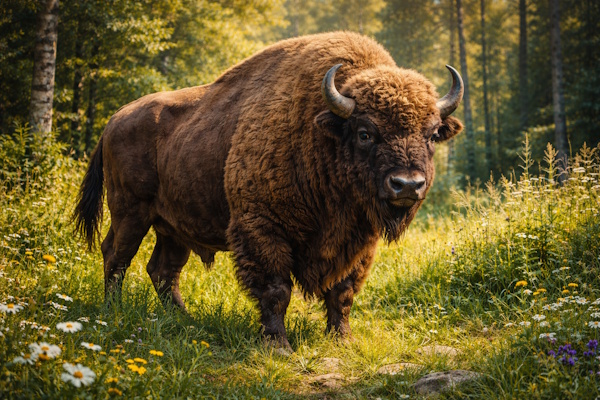
Poland is one of the most nature-rich countries in Europe. Vast forests, national parks and wetlands provide habitat for many wild animals. Visitors traveling to Kraków, the Tatra Mountains or the famous Białowieża Forest often wonder whether there are dangerous animals in Poland.
The short answer: Poland is generally very safe for travelers. Dangerous wildlife encounters are extremely rare. However, several animals can pose risks in certain situations. These include large mammals such as bison and wild boar, predators like wolves, and small animals such as ticks.
This guide explains which animals in Poland may be dangerous, where they live and how tourists can stay safe when exploring the country’s nature.
Explore Poland’s forests and wildlife with guided tours and day trips.
Are There Dangerous Animals in Poland?
Compared with many other countries, Poland has very few dangerous animals. There are no venomous mammals, no large reptiles and no tropical predators.
Most wildlife avoids humans and attacks almost never happen. Nevertheless, visitors should respect animals and keep a safe distance when hiking in forests or national parks.
The animals that can potentially be dangerous include:
- European bison
- Wild boar
- Wolves
- Bears (very rare)
- Ticks
- European vipers
Each of these animals is explained in more detail below.
European Bison – The Largest Animal in Poland
The European bison (wisent) is the largest land animal in Europe. Adult males can weigh up to 900 kilograms. Poland has the largest population of European bison in the world.
The best place to see them is the famous Białowieża Forest, one of Europe’s last primeval forests.
Are Bison Dangerous?
Bison are usually calm animals. However, they are powerful and can become aggressive if they feel threatened.
Most incidents happen when people approach too closely for photos. Bison can run surprisingly fast and should always be observed from a distance.
Safety Tips
- Never approach a bison
- Keep at least 50 meters distance
- Do not block their path
- Never feed wild animals
Wild Boar – Common in Polish Forests
Wild boar are widespread throughout Poland. They live in forests, rural areas and sometimes even near cities.
They are particularly common in southern Poland and in forest areas near Kraków.
Why Wild Boar Can Be Dangerous
Wild boar usually avoid humans. However, they may attack if:
- they feel cornered
- they are protecting piglets
- they are surprised at close distance
Boars are strong animals with sharp tusks and can run quickly through forests.
How to Avoid Problems
- Make noise while hiking
- Keep distance from piglets
- Never feed wild boar
Wolves – Rare but Present
Poland has one of the largest wolf populations in Europe. Wolves live mainly in remote forests in eastern and southern Poland.
Regions where wolves exist include:
- Białowieża Forest
- Bieszczady Mountains
- Carpathian Mountains
Are Wolves Dangerous?
Wolf attacks on humans are extremely rare. In modern Poland there have been virtually no documented attacks.
Wolves normally avoid people and disappear quickly when they hear human activity.
Bears in Poland
Brown bears live in the southern mountain regions of Poland, mainly in the Bieszczady Mountains and near the Slovak border.
The population is small and sightings are very rare.
Bear Safety
Although bears are powerful animals, encounters with tourists are extremely unlikely.
When hiking in remote mountain areas:
- stay on marked trails
- avoid hiking alone at night
- store food properly when camping
Ticks – The Most Relevant Animal Risk
The most significant animal risk for tourists in Poland is actually very small: ticks.
Ticks live in forests, grasslands and parks. They can transmit diseases such as Lyme disease and tick-borne encephalitis.
Where Ticks Are Common
- forests
- national parks
- rural areas
- tall grass
Tick Protection
- wear long pants when hiking
- use insect repellent
- check your skin after outdoor activities
European Viper – Poland’s Only Venomous Snake
Poland has only one venomous snake: the European adder (Vipera berus).
These snakes live in forests, mountains and wetlands. They are generally shy and avoid humans.
Are Vipers Dangerous?
Bites are rare and usually occur when someone accidentally steps on the snake.
Most bites are not life-threatening for healthy adults, but medical attention is recommended.
Animals That Are Not Dangerous
Many animals in Poland look impressive but are not dangerous to humans.
Examples include:
- deer
- elk
- foxes
- beavers
- storks
Poland is famous for its wildlife. Travelers interested in nature will find excellent opportunities for wildlife watching in national parks and protected forests.
Where to See Wildlife in Poland
The best places to observe animals include several national parks and protected areas.
Białowieża Forest
This UNESCO World Heritage Site is one of the most famous nature areas in Europe.
Visitors come here mainly to see European bison.
Tatra Mountains
The Tatra Mountains in southern Poland offer dramatic landscapes and diverse wildlife.
Many tourists visit the region from Kraków.
You can read more about transportation and travel planning here:
Is It Safe to Explore Nature in Poland?
Yes. Poland is considered one of the safest countries in Europe for outdoor travel.
Millions of visitors hike in forests and mountains every year without encountering dangerous wildlife.
As long as travelers respect nature and keep a safe distance from animals, the risk is extremely low.
Travel Tips for Nature Lovers
- Stay on marked hiking trails
- Respect wildlife and keep distance
- Do not feed wild animals
- Check for ticks after hiking
- Carry water and basic supplies
Poland’s natural landscapes are one of the country’s biggest attractions and worth exploring during any visit.
Search accommodation close to forests, mountains and wildlife areas.
Conclusion
Dangerous animals in Poland exist, but they rarely pose a risk to travelers. The most notable species include European bison, wild boar, wolves and bears, but encounters are uncommon.
The main precaution for visitors is protection against ticks when spending time outdoors.
Overall, Poland is a very safe destination for nature tourism. The country’s forests, mountains and national parks offer excellent opportunities to experience European wildlife.