 Posted by
 Wawel Royal Castle (often called the Royal Palace in Krakow) is the city’s most important historic landmark and one of the key places to understand Poland’s royal past. Set on Wawel Hill above the Vistula River, the complex combines a former royal residence, courtyards, exhibitions, and panoramic viewpoints in a single visit. For most first-time travelers, Wawel is a “must” because it connects Krakow’s medieval Old Town with centuries of political power, art, and national symbolism.
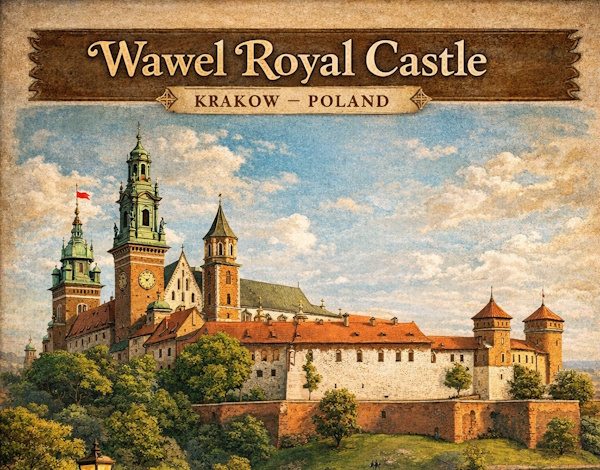
This guide focuses on practical planning: how to get there, what to see inside, which parts are worth prioritizing if you have limited time, and how to combine Wawel with nearby attractions. It is written for international tourists who want clear, realistic advice without overload.
Krakow tours that include Wawel and the Old Town
If you want context and a clear route, guided experiences can help you connect Wawel with the Old Town highlights in one efficient program.
Location and how to get there
Wawel Royal Castle is located on Wawel Hill, just south of Krakow’s Old Town. The walk from the Main Market Square is straightforward and usually takes around 15–25 minutes depending on your pace and the route you choose. Many visitors combine Wawel with a city-center day because the distances are manageable on foot.
If you are planning your first day in Krakow, it can help to start with the city’s central reference point and then walk to Wawel. For orientation, see: Krakow Main Market Square (Rynek Główny).
Getting there from the city center
- On foot: The easiest option for most tourists. You get a natural sightseeing route through the historic core and down toward the river.
- Public transport: Useful if you are staying outside the center or want to minimize walking. It also helps in bad weather.
- Taxi/ride-hailing: Practical for families with strollers or travelers with limited mobility who want door-to-door comfort.
Arriving in Krakow and basic transport planning
If you are still sorting out arrival logistics (airport transfers, train station access, city transport basics), use this practical overview: Krakow directions.
Visiting by car
Driving to the Wawel area is possible, but central Krakow has restricted zones and limited parking options. If you have a rental car, plan your parking before you approach the Old Town and the river area. This guide helps you avoid common mistakes: parking in Krakow.
History and background
Wawel Hill has been an important site for centuries. Its location above the river made it strategically useful, and over time it became the political and symbolic center of Krakow. The castle complex is strongly connected to Poland’s monarchy and to major historic moments that shaped the country’s identity. Even if you are not a “museum person,” Wawel is one of those places where a short visit can make the rest of Krakow feel more meaningful.
The castle you see today reflects different periods and influences. Like many European royal sites, Wawel was rebuilt, expanded, and adapted over time. That means your visit is not only about a single style or one era. Instead, it is a layered place: courtyards, historic rooms, collections, and views that work together as a bigger story.
For travelers, this background matters because it explains how to approach the visit. You do not need to see everything to get value. A smart plan is to choose the sections that match your interests: royal apartments for interiors, exhibitions for art and objects, and a relaxed walk for the hilltop atmosphere.
Hotels in Krakow
Staying close to the Old Town makes Wawel easy to visit early in the day, before crowds build up. Compare options early if you travel on weekends or in summer.
Main attractions and highlights at Wawel Royal Castle
Wawel is not a single “room” or one museum hall. It is a complex with multiple visit options. The most common mistake is trying to do everything without a plan. Instead, decide what kind of experience you want: focused interiors, a broader overview, or a mix of highlights with time for views and breaks.
1) The Wawel courtyards and the hilltop walk
Even without entering major exhibitions, Wawel Hill is worth the walk. The open areas and courtyards give you the sense of scale and position above the river. For many visitors, this is the “free” part of the Wawel experience that already delivers value: classic views, historic stone architecture, and a clear feeling of place.
- Good for photos and orientation.
- Works well early morning or late afternoon.
- Easy to combine with a river walk afterward.
2) State Rooms and royal interiors
The interiors are a key reason many travelers buy tickets. You can expect historic rooms, curated displays, and a structured museum route. If you enjoy art, furniture, and royal history, this is the section that usually feels most “palace-like.”
Practical tip: Interiors often work best when you go earlier in the day. You move at a comfortable pace and get better viewing conditions without feeling rushed by crowds behind you.
3) Wawel Cathedral and the royal context
Many visitors treat the castle and the cathedral as one combined Wawel experience. Even if your main focus is the Royal Palace, it is useful to understand that Wawel is also a strong religious and ceremonial site. If you want to connect the royal story with Krakow’s broader history, visiting the cathedral area provides that extra layer.
Planning help is here: Wawel Cathedral.
4) Sigismund Bell
The Sigismund Bell is one of the iconic elements associated with Wawel. For many tourists, it is a “quick but memorable” addition that fits well if you are already on the hill. It also works for travelers who like specific cultural symbols rather than long museum routes.
Details and planning notes: Sigismund Bell.
5) Dragon’s Cave and the Wawel Dragon
For families and casual travelers, Dragon’s Cave is often the most entertaining part of Wawel. It adds a folklore angle and breaks up the “serious history” tone of a palace visit. It is also a good option if you travel with children who need something playful after museums and monuments.
Visitor overview: Dragon’s Cave.
6) River views and the area around Wawel
After Wawel, many visitors walk down toward the Vistula River for a calmer atmosphere. This is also where you can take a break from crowds, especially in warmer seasons. If your trip includes multiple days, you can treat the river area as a relaxed evening walk after a more structured sightseeing day.
Practical visitor tips
Choose a realistic plan instead of “everything”
Wawel can feel bigger than expected, especially if you try to combine palace interiors, cathedral elements, exhibitions, and the cave on the same day. A better approach is to choose a “core” experience and then add one or two extras depending on energy and time.
- Classic 2–3 hour plan: Palace interiors + courtyards + views.
- Family-friendly plan: Courtyards + Dragon’s Cave + a shorter interior section if kids are still interested.
- History-focused plan: Palace + cathedral area + one exhibition route.
Arrive early for a better experience
Wawel is one of Krakow’s most visited attractions. Arriving earlier usually means shorter queues, calmer rooms, and more comfortable movement through indoor sections. If you visit in peak season, early timing can be the difference between a relaxed museum day and a stressful one.
Check opening patterns and plan around them
Opening times and entry rules can vary by season and by individual section of the complex. If your schedule is tight, check general local patterns first to avoid arriving during closures or last entries: Krakow opening hours.
Footwear and comfort
Even if you focus on interiors, Wawel involves walking, stone surfaces, and sometimes stairs. Comfortable shoes help, especially if you plan to walk from the Old Town and continue toward Kazimierz or the river afterward.
Food strategy: avoid peak-time frustration
Many visitors want lunch immediately after the main palace visit, which creates predictable queues in popular areas. If you prefer a calmer break, eat earlier, later, or choose a place slightly away from the most central tourist flow. If you want a practical overview of what to eat in Krakow, see: Krakow food.
Photography expectations
Outdoor photos are usually easy: courtyards, walls, and river views. Indoors, photography rules can differ by section. If photography matters to you, plan for it mentally, but do not make it the main goal. Wawel is best experienced as a mix of architecture, objects, and atmosphere rather than a “photo checklist.”
Best time to visit
The best time to visit Wawel Royal Castle depends on your priorities: fewer crowds, comfortable weather, or good light for outdoor areas. In practice, it helps to think in two layers: the time of day and the season.
Best time of day
- Early morning: Usually the calmest experience and best for indoor sections.
- Late morning to afternoon: Busy, especially on weekends and in summer.
- Late afternoon / early evening: Great for views and atmosphere; indoor sections may be less practical if time is limited.
Best season
- Spring: Comfortable walking conditions and generally good balance between weather and crowd levels.
- Summer: Lively but crowded; plan early visits and expect higher demand for tickets and tours.
- Autumn: Often a strong choice for calmer travel with mild temperatures.
- Winter: Can be quieter; outdoor areas may feel colder, but indoor sections can still work well if you dress properly for transitions.
How long should you stay?
Wawel can be a short highlight or a half-day program. Your ideal time depends on how many sections you include and whether you like museums.
- Quick visit (45–90 minutes): Courtyards, viewpoints, and a short walk around the hill.
- Standard visit (2–3 hours): One main interior route plus courtyards and outdoor time.
- Extended visit (3.5–5 hours): Multiple sections, plus cathedral elements and the cave, with breaks.
If you only have one full day in Krakow, you can still include Wawel, but it helps to keep the plan focused. If you have two or three days, Wawel becomes easier to enjoy without time pressure.
How to combine Wawel with other Krakow attractions
Wawel’s location makes it easy to combine with several major attractions. The key is avoiding an unrealistic “mega-day” where everything becomes rushed. Choose combinations that fit walking logic and your energy level.
Wawel + Main Market Square and Old Town highlights
This is the classic Krakow first-timer route: Old Town monuments first, then walk to Wawel, or the other way around. If you want a structured Old Town overview, start here: Top 10 sights in Krakow.
Wawel + Kazimierz (evening plan)
Kazimierz is a good evening add-on because it offers a different atmosphere from the Old Town. Many travelers prefer Wawel and the Old Town earlier in the day and then Kazimierz later for dinner and walking. Planning help: Kazimierz district.
Wawel + Schindler’s Factory (same-day option)
If you want to add a major museum that changes the tone of the day, Schindler’s Factory is one of the most visited options in Krakow. It is a more intense historical experience, so plan it when you have enough time and mental energy. Visitor overview: Schindler Factory Krakow.
Wawel + city tours
Guided city tours can be useful if you want a clear narrative and want to avoid planning complexity. Many tours naturally connect Wawel, the Old Town, and key streets. Options here: city tours in Krakow.
Wawel + a day trip on another day
If you stay longer than one or two days, it often makes sense to separate “Krakow core sights” and “excursion days.” That way, Wawel does not compete for time with early departures. Overview: Krakow day trips.
Pros and cons
Pros
- Top historic landmark: One of the most important places for understanding Krakow and Poland’s royal story.
- Flexible visit style: Works as a short hilltop walk or a deeper museum day.
- Great location: Easy to combine with the Old Town, river walk, and Kazimierz.
- Strong atmosphere: Courtyards and views feel impressive even for non-museum travelers.
Cons
- Crowds: One of the busiest sites in Krakow, especially in peak season.
- Many sections: Without a plan, it is easy to waste time or feel overwhelmed.
- Walking and steps: Not ideal for every visitor unless you plan routes carefully.
- Indoor rules vary: Photography and access rules can differ by section.
Is it worth visiting?
Yes, Wawel Royal Castle is worth visiting for most travelers because it is Krakow’s key historic site and the most direct way to connect the city with Poland’s royal past. If you enjoy architecture and history, the palace sections and the hilltop setting deliver clear value. If you are less interested in museums, Wawel is still worthwhile for the courtyards, views, and the overall feeling of place.
The best way to enjoy it is to keep your plan realistic. Choose one main interior route if you want the “palace experience,” add one or two extras (cathedral context or Dragon’s Cave), and leave enough time for a calm walk and a break afterward. Wawel feels better when it is not rushed.
FAQ – Wawel Royal Castle (Royal Palace Krakow)
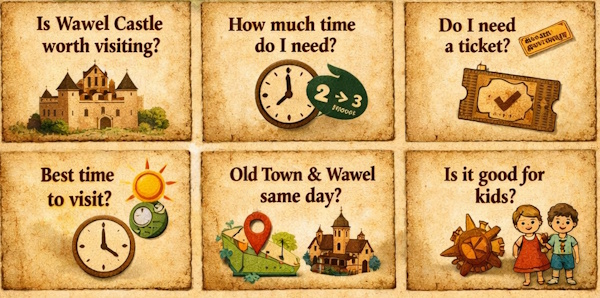
Is Wawel Royal Castle worth visiting?
Yes. Wawel Royal Castle is one of the most important historical landmarks in Krakow and central to Poland’s royal history. Even a short visit to the courtyards and viewpoints gives a strong impression of the site. If you are interested in history or architecture, it is one of the key attractions in the city.
How much time do I need at Wawel Castle?
Plan around 2–3 hours for a standard visit including one main exhibition and time outdoors. A short visit focusing only on the courtyards and views can take 60–90 minutes. A detailed visit including several exhibitions and the cathedral may take up to half a day.
Do I need a ticket for Wawel Royal Castle?
Access to the courtyards and the hill is generally free, but exhibitions inside the castle require tickets. Different sections (State Rooms, exhibitions, cathedral areas) may have separate tickets, so check in advance which areas you want to see.
When is the best time to visit Wawel Castle?
Early morning is usually the best time to avoid crowds, especially in summer. Weekdays outside peak travel season offer the most comfortable experience. Late afternoon is good for views and photos, but indoor exhibitions may have limited entry times.
Can I visit Wawel Castle and the Old Town on the same day?
Yes. Wawel is within walking distance of the Main Market Square and the historic center. Many visitors combine Wawel Royal Castle with Krakow Main Market Square and other Old Town sights in one day.
Is Wawel Castle suitable for children?
Yes, especially if you combine the visit with outdoor areas and the Dragon’s Cave. However, long indoor museum routes may be less engaging for younger children. A shorter, focused visit works best for families.
Is Wawel Royal Castle accessible for visitors with limited mobility?
Parts of the complex are accessible, but there are also uneven surfaces, stairs, and historical structures that can limit access. It is advisable to check specific access information in advance if mobility is a concern.
What should I wear when visiting Wawel?
Comfortable walking shoes are recommended, as the visit involves walking on stone surfaces and inclines. If you plan to enter the cathedral, modest clothing is advisable.
Can I take photos inside Wawel Castle?
Photography rules vary depending on the exhibition. Outdoor photography is generally allowed. Inside certain exhibitions, restrictions may apply. Always follow posted guidelines.
What can I combine with Wawel Castle nearby?
Wawel works well together with Kazimierz, a river walk, or other Old Town attractions such as the Wawel Cathedral. Many visitors also include it in a broader city tour.