 Posted by
 Animals in Poland are more diverse than many travelers expect. The country is home to large European mammals such as bison, wolves and lynx, as well as deer, wild boar, foxes, eagles and numerous bird species. Thanks to its forests, wetlands, lakes, rivers, mountains and Baltic coastline, Poland offers a wide variety of natural habitats that support rich biodiversity.
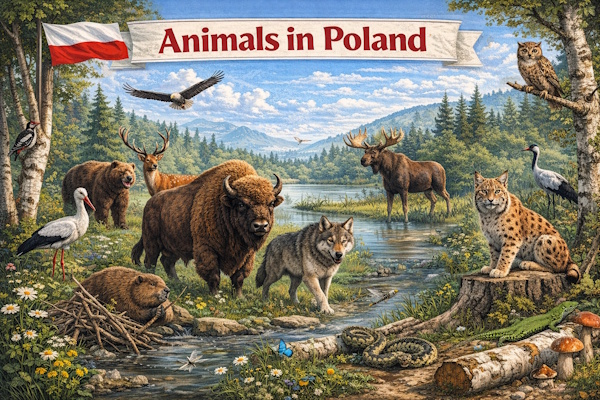
Unlike many highly urbanized Western European countries, Poland still contains large continuous forest areas and protected national parks. These landscapes allow wildlife populations to survive and, in some cases, recover. This detailed guide explains which animals live in Poland, where you can see them, how dangerous they are and what tourists should know when exploring Polish nature.
| Topic | Link |
|---|---|
| Animals | Animals in Poland |
| Moose (Elk) | Moose in Poland |
| Bisons | Bisons in Poland |
| Storks | Storks in Poland |
Why Poland Has Rich Wildlife
Several factors contribute to Poland’s diverse animal life:
- Large forest coverage (around 30% of the country)
- Extensive wetlands and river systems
- Mountain regions in the south (Tatras and Carpathians)
- Low population density in rural areas
- Numerous national parks and protected areas
Poland’s location between Western and Eastern Europe also creates a mix of species typical for both regions. Some animals that are rare in Western Europe still have stable populations in Poland.
🎟 Tours & Attractions in Poland
Find city tours, Auschwitz excursions, salt mine visits and guided experiences.
Large Mammals in Poland
European Bison (Bison bonasus)
The European bison, also called wisent, is the largest land mammal in Europe. Poland plays a key role in its survival. The most famous population lives in Białowieża Forest, one of the last primeval forests in Europe.
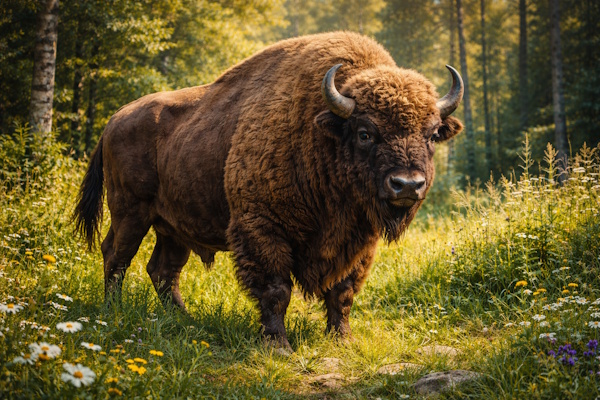
- Weight: Up to 900 kg
- Habitat: Forests and open woodland
- Status: Protected and monitored
Bison are generally calm but should never be approached closely. Organized wildlife tours in Białowieża offer the best chance of observing them safely.
Brown Bear (Ursus arctos)
Brown bears live mainly in the Carpathian Mountains in southern Poland. They are rare and avoid humans.
- Habitat: Remote mountain forests
- Behavior: Shy, mostly nocturnal
- Risk: Very low for hikers
Bear encounters are extremely uncommon in Poland compared to countries like Romania.
Wolf (Canis lupus)
Wolves have returned to many regions of Poland. They live in forests and large natural areas.
- Population: Stable and increasing
- Behavior: Avoids humans
- Danger: Minimal
Wolf attacks on humans in modern Poland are virtually nonexistent.
Eurasian Lynx (Lynx lynx)
The lynx is one of Europe’s most elusive predators. It lives in forested mountain regions.
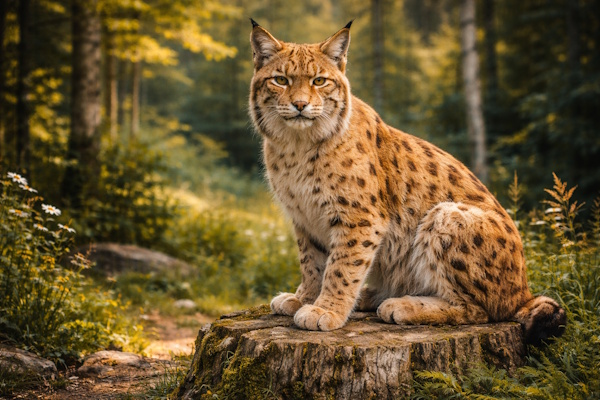
- Habitat: Carpathians and northeastern forests
- Behavior: Solitary and shy
- Encounter probability: Extremely low
Medium-Sized Mammals
Red Deer
Common in forests and rural landscapes. Frequently seen during early morning or evening.
Roe Deer
Smaller and widespread across farmland and forest edges.
Wild Boar
Very common in forests and occasionally near cities. Generally avoid humans but can be defensive if threatened.
Red Fox
Highly adaptable and found in both rural and urban environments.
European Badger
Nocturnal and rarely seen during the day.
Small Mammals
Poland is home to many smaller mammals including:
- Hedgehogs
- Beavers
- Otters
- Martens
- Squirrels
- Hares
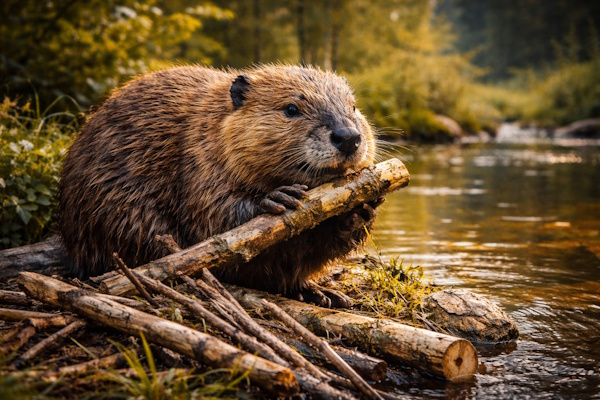
European Beaver
Poland has one of Europe’s largest beaver populations. Beavers are often seen along rivers and lakes.
🏨 Hotels in Poland
Compare hotel prices in Krakow, Warsaw, Gdansk and other destinations.
Birds in Poland
Poland is a paradise for birdwatchers. Wetlands and forests host hundreds of species.
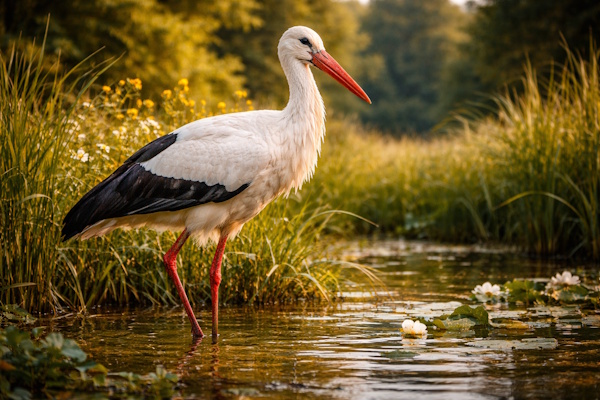
White Stork
Poland has one of the largest populations of white storks in the world. They nest on rooftops and poles in rural areas.
White-Tailed Eagle
Europe’s largest eagle species lives near lakes and coastal areas.
Common Cranes
Seen in wetlands and during migration seasons.
Woodpeckers
Many species inhabit Polish forests.
Reptiles and Amphibians
Poland has relatively few reptile species.
European Adder (Vipera berus)
The only venomous snake in Poland. Bites are rare.
Grass Snake
Harmless and common near water.
Lizards
Sand lizards and viviparous lizards are widespread.
Frogs and Toads
Common in wetlands and lakes.
Fish and Aquatic Life
Poland’s lakes and rivers contain species such as:
- Pike
- Perch
- Carp
- Trout
- Salmon (in Baltic rivers)
The Baltic Sea coast includes marine species such as cod and herring.
Insects and Smaller Creatures
Poland has a wide variety of insects including butterflies, bees and beetles. Mosquitoes can be present near lakes in summer but are generally manageable.
Ticks are common in forests and grasslands and may carry Lyme disease. Protective clothing and tick checks after hikes are recommended.
National Parks and Wildlife Areas
Białowieża National Park
Famous for European bison and primeval forest.
Tatra National Park
Home to chamois, marmots and bears.
Biebrza National Park
Wetland paradise for birds.
Bieszczady National Park
Remote region with wolves and lynx.
Are Animals in Poland Dangerous?
Generally, no. Wildlife in Poland poses minimal risk to tourists. Serious incidents are extremely rare.
- Bears: Rare and shy
- Wolves: Avoid humans
- Bison: Calm but keep distance
- Wild boar: Defensive if cornered
Most injuries in Polish nature result from accidents, not animal attacks.
Best Time to See Wildlife
- Spring: Active birds and mammals
- Summer: Peak biodiversity
- Autumn: Deer rut season
- Winter: Animal tracks visible in snow
Wildlife Watching Tips
- Stay quiet and patient
- Use binoculars
- Visit early morning or sunset
- Stay on marked trails
- Never feed wild animals
Urban Wildlife in Poland
Even cities host wildlife. Foxes, hedgehogs and birds adapt to urban areas. Wild boars occasionally enter suburbs.
Conservation Efforts
Poland actively protects endangered species. Hunting regulations are strict and national parks limit development.
Pros & Cons of Wildlife in Poland
Pros
- Rich biodiversity
- Rare large mammals still present
- Many protected areas
- Safe for tourists
Cons
- Ticks in forest areas
- Occasional wild boar near cities
Is Poland a Good Destination for Nature Lovers?
Yes. Poland is one of the best wildlife destinations in Central Europe. Its combination of forests, mountains and wetlands offers excellent opportunities for observing animals in natural habitats.
Whether you are hiking in the Tatras, exploring Białowieża Forest or relaxing by the Masurian Lakes, Poland provides authentic nature experiences without extreme safety risks.
FAQ – Animals in Poland
What large wild animals live in Poland?
Poland is home to several large mammals that are rare or extinct in many other European countries. These include the European bison (wisent), brown bear, wolf, Eurasian lynx, red deer and wild boar. Among them, the European bison is the largest land mammal in Europe and one of Poland’s wildlife success stories.
Is the European bison common in Poland?
Yes, Poland has one of the largest free-ranging populations of European bison in the world. The most famous herd lives in Białowieża Forest in northeastern Poland. Smaller populations exist in other forest regions as part of conservation programs.
Are there bears in Poland?
Yes, brown bears live mainly in the Carpathian Mountains in southern Poland, especially in the Bieszczady and Tatra regions. However, the population is small compared to countries like Romania, and encounters with hikers are extremely rare.
Are wolves dangerous in Poland?
Wolves are present in many forested regions of Poland, but they avoid humans. Attacks on humans in modern Poland are virtually nonexistent. Wolves are protected by law and play an important ecological role.
Where can I see wild animals in Poland?
The best regions for wildlife observation include:
- Białowieża National Park (bison)
- Biebrza National Park (birds and wetlands)
- Tatra National Park (chamois and marmots)
- Bieszczady Mountains (wolves and bears)
- Masurian Lake District (birds and beavers)
Are animals in Poland dangerous for tourists?
In general, no. Poland is considered very safe regarding wildlife. Large predators are shy, and serious incidents are extremely rare. Most animals avoid contact with humans.
What is the most dangerous animal in Poland?
Statistically, ticks are considered the most significant health risk in Polish nature because they can carry Lyme disease and tick-borne encephalitis. Large mammals such as bears and wolves rarely cause injuries.
Are wild boars dangerous?
Wild boars are common in forests and sometimes appear near cities. They usually avoid humans but can become defensive if threatened or if piglets are nearby. It is best to keep a safe distance.
Are there venomous snakes in Poland?
Yes, Poland has one venomous snake species: the European adder (Vipera berus). It is generally not aggressive, and bites are rare. The venom is rarely life-threatening with modern medical care.
Are there many snakes in Poland?
No, Poland has only a few native snake species. Most of them are harmless, including the grass snake and smooth snake.
Are there dangerous spiders in Poland?
Poland does not have dangerous spider species that pose serious health risks to humans. Spider bites are extremely rare and typically harmless.
Is it safe to hike in Polish forests?
Yes. Hiking in Polish forests and national parks is generally safe. Basic precautions include staying on marked trails, wearing proper footwear and checking for ticks after walks.
What animals live in Polish cities?
Urban wildlife in Poland includes foxes, hedgehogs, squirrels, pigeons and occasionally wild boars. Some animals have adapted well to city environments.
What birds are common in Poland?
Poland has rich birdlife. Common species include:
- White stork (very common in rural areas)
- White-tailed eagle
- Common crane
- Various woodpecker species
- Owls and hawks
Why is the white stork important in Poland?
Poland hosts one of the largest populations of white storks in the world. The bird is culturally significant and often nests on rooftops and utility poles in villages.
Are there moose in Poland?
Yes. Moose (elk) live mainly in northeastern Poland, especially in wetland regions such as Biebrza National Park. They are large but usually calm animals.
Can I see wildlife without a guide?
Yes, but sightings of large mammals are rare without expert knowledge. Guided wildlife tours in areas like Białowieża increase the chances of observing animals safely and responsibly.
What time of day is best for wildlife spotting?
Early morning and late evening are best for spotting mammals. Birds are active throughout the day, especially during migration seasons.
Are animals protected in Poland?
Yes. Many species, including wolves, lynx and bison, are protected by law. National parks and reserves limit human impact on wildlife habitats.
Are there marine animals in Poland?
Along the Baltic Sea coast, marine species such as seals, cod and herring can be found. Seals occasionally appear near beaches.
Do I need vaccinations for wildlife in Poland?
No special vaccinations are required specifically for wildlife exposure. However, tick-borne encephalitis vaccination may be recommended for people spending extended time in forested areas.
Are mosquitoes a problem in Poland?
Mosquitoes can be present near lakes and wetlands during summer, particularly in warm and humid weather. Insect repellent is recommended in such areas.
Are there dangerous insects?
Aside from ticks, there are no insects in Poland that pose significant danger to tourists.
Can I feed wild animals in Poland?
No. Feeding wild animals is discouraged and sometimes prohibited in national parks. It can disrupt natural behavior and create risks.
Is wildlife tourism popular in Poland?
Yes, especially in regions such as Białowieża Forest and the Tatra Mountains. Birdwatching and bison tracking tours attract international visitors.
What is the rarest animal in Poland?
The Eurasian lynx is considered one of the rarest and most elusive mammals in Poland.
Are there reptiles besides snakes?
Yes. Poland has several lizard species such as the sand lizard and viviparous lizard. They are harmless and often seen in sunny, open areas.
What fish species live in Polish lakes?
Common fish species include pike, perch, carp and trout. The Masurian Lake District is popular for fishing tourism.
Are animals active year-round?
Yes, but visibility varies. Winter offers fewer visible animals but makes tracking easier due to snow prints. Spring and summer provide the highest biodiversity.
Is Poland good for nature photography?
Yes. Poland offers diverse landscapes, rare species and relatively undisturbed habitats, making it attractive for wildlife photographers.
How can I stay safe around wildlife?
- Keep distance from large animals
- Do not approach young animals
- Stay on marked trails
- Store food securely while camping
- Check for ticks after forest walks
Are there any safari-style experiences in Poland?
While not safari in the African sense, guided wildlife tracking tours in Białowieża Forest offer close-to-nature experiences focused on bison and forest ecology.
Is wildlife in Poland increasing or decreasing?
Several species such as wolves and bison have increased due to conservation efforts. Habitat protection remains crucial for maintaining biodiversity.
Can tourists camp in wildlife areas?
Camping is allowed only in designated areas. Wild camping is restricted in many regions, especially in national parks.
Is Poland considered one of Europe’s wildlife hotspots?
Yes. Due to its primeval forests, wetlands and large mammals, Poland is considered one of Central Europe’s most important wildlife regions.
Conclusion
Animals in Poland reflect the country’s strong natural heritage. Large mammals such as bison and wolves coexist with deer, birds and aquatic species across diverse landscapes. For travelers, wildlife in Poland is more fascinating than dangerous.
With responsible behavior and respect for nature, visitors can safely enjoy one of Central Europe’s richest ecosystems.