 Posted by
 Białowieża Forest is one of the most unique natural areas in Europe. Located on the border between Poland and Belarus, it is often described as the last remaining primeval forest on the continent. The Polish part of the forest is protected as Białowieża National Park and is listed as a UNESCO World Heritage Site.
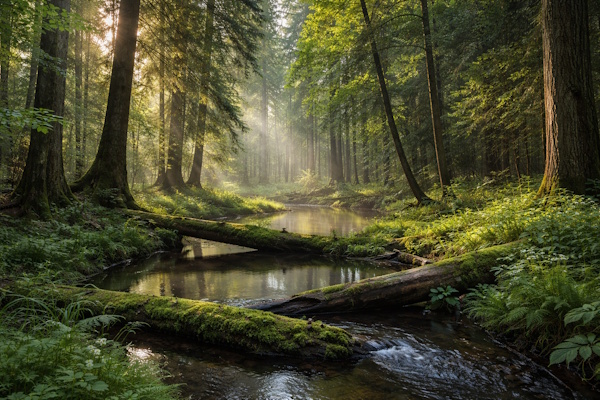
This guide explains what makes Białowieża Forest special, how to visit, what to expect, where to stay, how to see European bison, and how to plan your trip. If you are looking for a nature-focused destination in Poland beyond major cities like Krakow or Warsaw, Białowieża Forest is one of the most remarkable options.
Where Is Białowieża Forest?
Białowieża Forest is located in eastern Poland, near the border with Belarus, in the Podlaskie region. The forest covers a large area on both sides of the border, but most tourists visit the Polish section, which is easier to access and fully integrated into the EU and Schengen Area.
The main gateway village is Białowieża. From here, visitors access hiking trails, guided tours and the protected primeval forest area.
Why Is Białowieża Forest So Important?
Białowieża Forest is not just another national park. It is considered one of the last lowland primeval forests in Europe. That means parts of the forest have developed naturally for centuries without major human intervention.
- UNESCO World Heritage Site
- Home to the largest population of European bison (wisent)
- Ancient oak, spruce and hornbeam trees
- High biodiversity: birds, wolves, lynx, moose
- Scientific importance for ecology and conservation
If you are interested in wildlife in Poland, you may also find these internal guides useful:
European Bison – The Symbol of Białowieża
The European bison (wisent) is the largest land mammal in Europe. Białowieża Forest is the most important habitat for this species. After near extinction in the early 20th century, the bison population was rebuilt through conservation programs.
Today, hundreds of bison live in and around the forest. While sightings in the wild are possible, they are not guaranteed. Early morning guided tours offer the best chance.
For more details on population numbers and background, see: Bisons in Poland.
Białowieża National Park
The strict protection zone of Białowieża National Park can only be visited with a licensed guide. This is the most untouched part of the forest, where fallen trees remain on the ground and natural processes shape the ecosystem.
Strict Reserve Area
This area represents true primeval forest conditions. Guided tours are required and usually last around 2–3 hours.
Open Access Areas
Outside the strict reserve, visitors can explore marked trails independently. There are walking paths and cycling routes.
Best Things to Do in Białowieża Forest
- Join a guided primeval forest tour
- Look for European bison at dawn
- Cycle along forest roads
- Visit the Białowieża National Park Museum
- Climb the observation tower for panoramic views
- Photograph wildlife and ancient trees
If you are combining Białowieża with other regions, you can browse guided experiences across Poland here.
Browse tours on GetYourGuide
How to Get to Białowieża Forest
By Car
The easiest way to reach Białowieża is by car. Driving from Warsaw takes approximately 3–4 hours. Roads are generally in good condition, but the last section is more rural.
A car provides flexibility for reaching remote forest areas.
Compare rental cars
By Train and Bus
You can travel by train to nearby towns and continue by bus, but connections are limited. This option requires more planning.
By Plane
The nearest major airport is Warsaw. From there, continue by car or public transport.
Where to Stay in Białowieża
Accommodation options include guesthouses, small hotels and eco-lodges. The atmosphere is rural and calm rather than luxurious.
Village of Białowieża
Most visitors stay here. It offers walking access to the national park entrance and restaurants.
Surrounding Villages
For quieter stays, nearby villages provide agrotourism accommodations and nature-focused lodgings.
Compare guesthouses, eco-lodges and small hotels.
Find accommodation on Booking.com
Best Time to Visit Białowieża Forest
Spring (April–June)
Good time for birdwatching and mild temperatures.
Summer (July–August)
Warmest weather but also more insects. Forest shade makes hiking comfortable.
Autumn (September–October)
Excellent for photography due to colorful foliage.
Winter
Snow transforms the forest into a quiet landscape. Bison sightings can be easier against the snow background.
Wildlife in Białowieża Forest
Besides bison, the forest is home to:
- Moose
- Wolves
- Lynx
- Wild boar
- Woodpeckers and rare bird species
For a broader overview of wildlife across the country, visit: Animals in Poland.
Travel Costs
Białowieża is generally affordable compared to Western European nature destinations.
- Guesthouse: moderate prices
- Guided tour: reasonable cost per person
- Meals: simple and affordable in local restaurants
For nationwide budget planning, see: Poland Travel Costs.
Is Białowieża Safe?
The area is considered safe. Standard outdoor precautions apply: follow marked trails, respect wildlife and follow guide instructions.
General country safety information: Is Poland Safe?.
Entry Requirements
Poland is part of the Schengen Area. EU citizens can enter with an ID card. Visitors from many other countries can enter visa-free for short stays.
More details: Entry Requirements Poland.
Suggested 2–3 Day Itinerary
Day 1
- Arrival and village walk
- National Park Museum visit
Day 2
- Early morning bison tour
- Guided strict reserve visit
Day 3
- Cycling or hiking
- Observation tower visit
Conclusion
Białowieża Forest is one of Europe’s most significant natural areas. It offers a rare glimpse into ancient forest ecosystems and the chance to see European bison in their natural habitat. For travelers interested in wildlife, ecology and quiet landscapes, it is one of Poland’s most rewarding destinations.