 Posted by
 Bydgoszcz is one of northern Poland’s most underrated cities. Located between Gdańsk and Poznań, it combines riverside scenery, historic granaries, green islands, opera culture and a relaxed urban atmosphere. While it is not as internationally known as Krakow or Warsaw, Bydgoszcz offers an authentic Polish city experience without mass tourism.
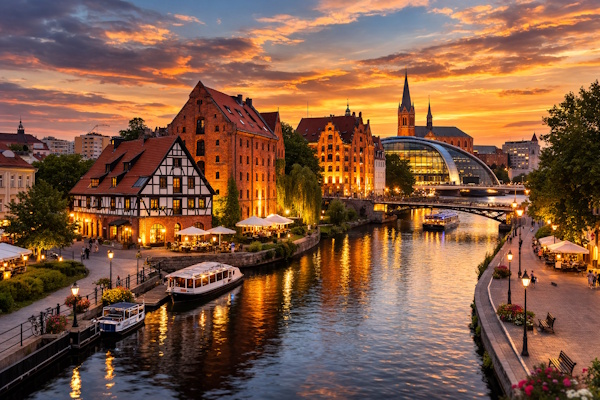
This comprehensive Bydgoszcz travel guide covers everything you need to know: history, top sights, neighborhoods, hotels, transport, travel costs, day trips, safety and suggested itineraries. If you are looking for a calm yet interesting destination in Poland, Bydgoszcz is worth considering.
Where Is Bydgoszcz?
Bydgoszcz is located in the Kuyavian-Pomeranian Voivodeship in northern Poland. The city lies on the Brda River, which flows into the Vistula. Its position historically made it an important trading and transport hub between eastern and western Europe.
Distances to major cities:
- Gdańsk – approx. 140 km
- Warsaw – approx. 300 km
- Poznań – approx. 130 km
- Toruń – approx. 50 km
Because of its central northern location, Bydgoszcz works well as a stop between the Baltic coast and central Poland.
 Ciastkoo, CC BY-SA 4.0, via Wikimedia Commons

Why Visit Bydgoszcz?
Bydgoszcz is often overlooked by international travelers, which is part of its appeal. The city offers:
- Scenic rivers and canals
- Mill Island (Wyspa Młyńska) in the city center
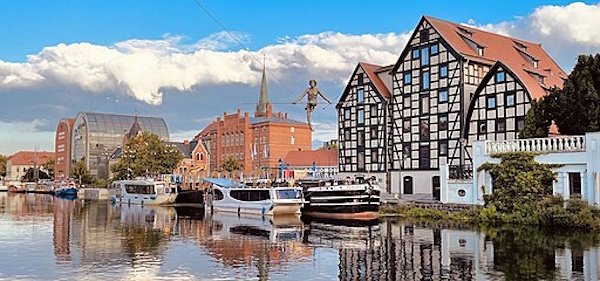
- Historic granaries and red-brick architecture
- Opera Nova and strong cultural scene
- Lower hotel prices than major tourist cities
- Compact and walkable old town
If you are already exploring Poland, you may combine Bydgoszcz with destinations such as Krakow or the Baltic coast. For overall travel planning and budget information, see Poland Travel Costs.
History of Bydgoszcz
Bydgoszcz dates back to medieval times and received city rights in the 14th century. Due to its strategic location along river routes, it became an important trade center. In the 18th and 19th centuries, the Bydgoszcz Canal strengthened its economic significance by connecting river systems.
The city was part of Prussia for a long period, which explains architectural similarities with German cities. After World War I, Bydgoszcz returned to Poland. The 20th century brought industrial development and post-war reconstruction.
Top Attractions in Bydgoszcz
Mill Island (Wyspa Młyńska) – The Green Heart of Bydgoszcz
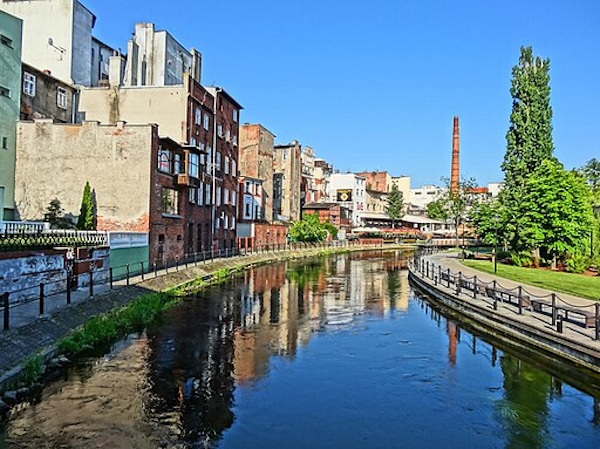
Mill Island (Wyspa Młyńska) is the most characteristic and visually attractive part of Bydgoszcz. Located directly in the city center and surrounded by branches of the Brda River, the island combines historic industrial architecture with landscaped green spaces, museums and pedestrian paths. For many visitors, Mill Island is the highlight of the city and the best place to understand Bydgoszcz’s identity as a river and trade hub.
 Pit1233, CC0, via Wikimedia Commons

Historically, Mill Island was the economic core of the city. Its location between waterways made it ideal for mills, warehouses and granaries. Grain and other goods were transported along the river, processed on the island and then redistributed to other regions. The remaining red-brick buildings are visible reminders of this trading past. Unlike large industrial complexes elsewhere, Mill Island has been carefully restored and integrated into public space.
Today, the island functions as a central recreational zone. Wide lawns, benches and riverside paths make it suitable for both locals and tourists. On warm days, residents use the green areas for picnics, informal gatherings or simply relaxing by the water. The combination of historic architecture and open green space creates a calm atmosphere in the middle of the city.
One of the defining features of Mill Island is its relationship with water. Small pedestrian bridges connect different sections of the island and link it to the surrounding Old Town. The Brda River flows around the island in several channels, creating reflections of the granaries and museum buildings that are especially photogenic in the late afternoon. The waterfront walkways allow visitors to follow the river closely, offering uninterrupted views of the historic facades.
Several cultural institutions are located on Mill Island. The District Museum complex includes exhibitions on archaeology, history and art. The Museum of Modern Art and other smaller galleries also occupy restored historic buildings. This concentration of museums within a compact, scenic area makes it easy to combine culture and leisure without extensive walking distances.
The architecture on Mill Island reflects different historical phases. Some buildings date back to the 18th and 19th centuries, particularly the granaries that once stored agricultural goods. These structures are typically built of brick and feature narrow windows and solid, functional design. Their preservation contributes significantly to the city’s character. The restored façades contrast with the surrounding greenery and river landscape.
Mill Island is also a practical orientation point when exploring Bydgoszcz. From here, you can easily reach the Old Town, the Opera Nova building and the riverside promenade. The island sits at the intersection of the city’s main pedestrian routes. As a result, most sightseeing itineraries naturally pass through this area.
During spring and summer, Mill Island becomes more lively. Outdoor events, small cultural festivals and open-air exhibitions are occasionally organized here. Even without major events, the steady movement of people creates a pleasant urban atmosphere. In autumn, the changing foliage adds color to the riverside landscape, making it a good time for photography. In winter, the island is quieter but remains accessible for short walks.
For visitors spending only one or two days in Bydgoszcz, Mill Island should be prioritized. It provides a compact overview of the city’s historical roots, river-based development and modern urban transformation. Walking slowly around the island, crossing its bridges and observing the mix of museums, historic granaries and green lawns gives a clear impression of what makes Bydgoszcz distinct from other Polish cities.
In summary, Mill Island is not just a park or museum district. It represents the historical and visual center of Bydgoszcz. Its combination of water, architecture and open space defines the character of the city and makes it the most important area to explore when visiting Bydgoszcz.
Bydgoszcz Canal
The canal is one of the city’s most important engineering achievements. It connected the Vistula and Oder river systems and turned Bydgoszcz into a key inland port. Today, parts of the canal area are used as green recreational zones.
Opera Nova
Opera Nova is a modern opera house located directly on the Brda River. It hosts opera, ballet and concerts. Even if you do not attend a performance, the riverside location is worth visiting.
Old Town (Stare Miasto)
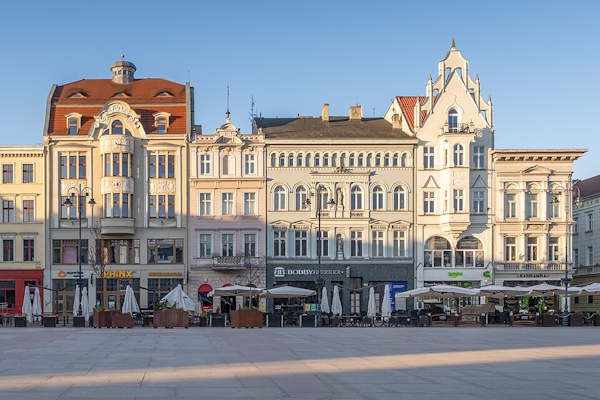
The Old Town is compact and pleasant. While smaller than Krakow’s center, it offers historic facades, cafés and market squares. It is easy to explore in one afternoon.
 Mariusz Guć, CC BY-SA 4.0, via Wikimedia Commons

The Granaries (Spichrze)
The historic granaries along the river are among the most recognizable symbols of Bydgoszcz. They reflect the city’s trading history.
Museum District
Bydgoszcz has several museums covering art, archaeology and regional history. The Exploseum, located outside the center, presents industrial and military history.
Best Things to Do in Bydgoszcz
- Walk along the Brda River promenade
- Relax on Mill Island
- Take a seasonal river cruise
- Visit Opera Nova
- Explore Toruń as a day trip
- Photograph historic granaries
If you combine Bydgoszcz with larger Polish cities, browse guided tours here.
Browse tours
Where to Stay in Bydgoszcz
City Center
The best area for first-time visitors. Walking distance to main sights and restaurants.
Near the River
Offers scenic views and quieter evenings.
Budget Options
Bydgoszcz offers affordable apartments and small hotels compared to major Polish cities.
Getting to Bydgoszcz
By Plane
Bydgoszcz has a small international airport with limited connections. Many travelers use Gdańsk or Warsaw airports instead.
By Train
Bydgoszcz has good rail connections to Warsaw, Gdańsk and Poznań.
By Car
Driving is practical if you plan to explore surrounding regions.
Public Transport in Bydgoszcz
The city has buses and trams. The center is compact enough to explore mostly on foot.
Day Trips from Bydgoszcz
Toruń
Located about 50 km away, Toruń is famous for its medieval Old Town and gingerbread tradition. It is one of the best day trips from Bydgoszcz.
Gdańsk
If you have more time, the Baltic Sea coast and Gdańsk are within driving distance.
Nature Areas
The surrounding region offers forests, lakes and cycling routes.
Travel Costs in Bydgoszcz
- Budget hotel: affordable year-round
- Mid-range hotel: moderate prices
- Restaurant meal: generally inexpensive
- Museum tickets: low entry fees
For national cost comparison, visit Poland Travel Costs.
Food in Bydgoszcz
Local restaurants offer traditional Polish dishes such as pierogi, soups and meat dishes. International cuisine is also available.
Safety
Bydgoszcz is considered safe for visitors. Standard precautions apply.
For general safety advice in Poland, see Is Poland Safe?.
Suggested 3-Day Itinerary
Day 1
- Explore Mill Island
- Walk along Brda River
- Evening near Opera Nova
Day 2
- Visit Old Town
- Museum visits
- River cruise
Day 3
- Day trip to Toruń
Best Time to Visit
May–September
Best weather for walking and river activities.
Autumn & Winter
Quieter and more affordable.
FAQ – Bydgoszcz Travel Guide (Frequently Asked Questions)
Is Bydgoszcz worth visiting?
Yes, especially if you are looking for a less crowded Polish city with riverside scenery and a relaxed atmosphere. Bydgoszcz is not as famous as Krakow or Gdańsk, but it offers scenic waterfront areas, Mill Island, historic granaries and cultural venues such as Opera Nova. It works particularly well as a short stop or as part of a northern Poland itinerary.
How many days do you need in Bydgoszcz?
Most visitors need one to two full days to explore the main sights. In two days, you can comfortably visit Mill Island, the Old Town, museums and the river promenade. If you include a day trip to Toruń or nearby nature areas, three days are ideal.
What is Bydgoszcz famous for?
Bydgoszcz is known for its rivers and canals, especially the Brda River and the historic Bydgoszcz Canal. It is also recognized for Mill Island (Wyspa Młyńska), historic granaries, Opera Nova and its role as a historical trade and inland port city.
Is Bydgoszcz expensive?
Compared to major European cities, Bydgoszcz is affordable. Hotel prices, restaurant meals and public transport costs are generally lower than in Warsaw, Krakow or Gdańsk. For a broader overview of national prices, see your internal guide: Poland Travel Costs.
Is Bydgoszcz safe for tourists?
Yes, Bydgoszcz is considered safe. Violent crime is rare, and the city center is calm even in the evening. As in any urban area, standard precautions apply, such as watching your belongings in busy places. For more country-wide context, see: Is Poland Safe?.
What language is spoken in Bydgoszcz?
The official language is Polish. In hotels, restaurants and tourist areas, many people speak at least basic English. Younger generations are generally more comfortable with English than older residents.
Is Bydgoszcz good for families?
Yes. The city center is compact, traffic is manageable and Mill Island offers open green space. The riverside areas provide room for children to move freely. Museums are relatively small and easy to visit without long queues.
Is Bydgoszcz suitable for elderly or mobility-limited travelers?
The central areas, especially Mill Island and the Old Town, are mostly flat and walkable. Some older streets may have uneven pavement. Public transport is available, and taxis are affordable.
What is the best time to visit Bydgoszcz?
May to September offers the most pleasant weather for river walks and outdoor activities. Summer is lively but not overcrowded. Autumn is quieter and often cheaper. Winter is calm, with fewer tourists.
Does Bydgoszcz have an airport?
Yes, Bydgoszcz has a small international airport with limited routes. Many travelers instead use larger airports such as Gdańsk or Warsaw and continue by train or car.
How do you get from Warsaw to Bydgoszcz?
Travel time by train is typically around three to four hours, depending on the connection. By car, the journey also takes approximately three to four hours. Train travel is often the most convenient option.
How do you get from Gdańsk to Bydgoszcz?
The distance is about 140 km. By train or car, the journey usually takes around two hours. This makes Bydgoszcz a practical inland extension of a Baltic coast trip.
Is Bydgoszcz walkable?
Yes. The city center, Old Town and Mill Island are compact and easy to explore on foot. Many main attractions are within short walking distance of each other.
Are there good restaurants in Bydgoszcz?
Yes. The city offers traditional Polish cuisine, international restaurants and modern cafés. Prices are moderate. Riverside locations near Mill Island are particularly popular.
Is Bydgoszcz a good base for exploring the region?
Yes. The city’s location makes it convenient for day trips to Toruń, the Baltic coast, or regional lakes and forests. If you are exploring northern Poland by car, Bydgoszcz works well as a central stop.
What are the top attractions in Bydgoszcz?
Main highlights include Mill Island (Wyspa Młyńska), the historic granaries, Opera Nova, the Old Town and the Bydgoszcz Canal. River walks along the Brda are also a key part of the experience.
Is Bydgoszcz touristy?
Compared to Krakow or Gdańsk, Bydgoszcz is much less touristy. This can be an advantage if you prefer a calmer environment and lower accommodation prices.
Can you visit Bydgoszcz as a day trip?
Yes, especially from Toruń or nearby cities. However, staying at least one night allows you to enjoy the riverside atmosphere in the evening.
What currency is used in Bydgoszcz?
Poland uses the Polish złoty (PLN). Credit cards are widely accepted in hotels, restaurants and shops.
Is Bydgoszcz good for photography?
Yes. Mill Island, the historic granaries and riverside reflections provide good photography opportunities, especially during golden hour in the late afternoon.
What is the weather like in Bydgoszcz?
Summers are generally mild to warm. Winters can be cold, with occasional snow. Spring and autumn are transitional seasons with moderate temperatures.
Does Bydgoszcz have nightlife?
The nightlife is moderate. There are bars and cafés in the city center, but it is not a major party destination. Evenings are generally relaxed rather than intense.
Is English widely spoken in Bydgoszcz?
In tourist-facing businesses and among younger residents, English is commonly spoken. Outside central areas, knowledge of English may be more limited.
What makes Bydgoszcz different from Gdańsk or Krakow?
Bydgoszcz is quieter and less tourist-oriented. It focuses more on river landscapes and a local atmosphere rather than large-scale historic monuments or heavy tourism infrastructure.
Is Bydgoszcz worth including in a Poland itinerary?
If you want to explore beyond the main tourist cities, Bydgoszcz is worth adding for one or two days. It provides a different perspective on Poland: more local, less crowded and centered around waterways rather than medieval squares.
Conclusion
Bydgoszcz offers a relaxed urban atmosphere, historic riverside architecture and affordable travel costs. While it is not Poland’s most famous city, it provides a calm and authentic experience with scenic waterfront areas and easy regional connections.