 Posted by
 Moose in Poland are among the country’s most impressive wild animals. The Eurasian moose (Alces alces), often called elk in Europe, is the largest deer species on the continent. While many travelers focus on Krakow’s historic landmarks such as Wawel Castle, the Main Market Square or Kazimierz, Poland also offers vast wetlands and forests where moose live freely.
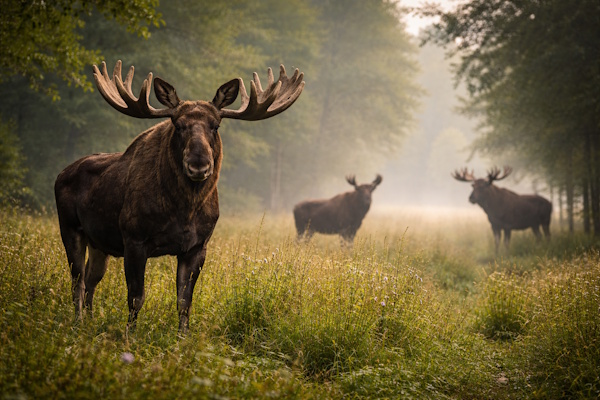
This comprehensive guide explains where to see moose in Poland, how far the main habitats are from Krakow, safety advice, ecological background and whether a moose-focused trip is worth adding to your Poland itinerary.
🌿 Nature & Wildlife Tours from Krakow
Explore nature-based excursions and regional trips.
🏨 Hotels in Poland
Stay in Krakow before heading into Poland’s wild landscapes.
| Topic | Link |
|---|---|
| Animals | Animals in Poland |
| Moose (Elk) | Moose in Poland |
| Bisons | Bisons in Poland |
| Storks | Storks in Poland |
What Is a Moose (Alces alces)?
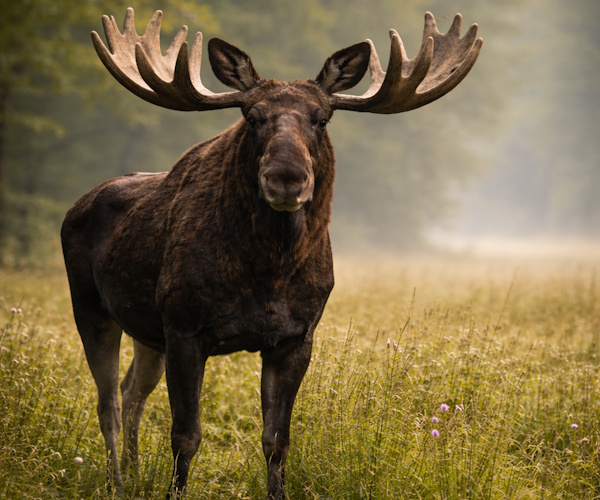
The Eurasian moose is the largest member of the deer family. Adult males can weigh up to 600–700 kilograms and are recognized by their large palmate antlers. Unlike European bison, moose are solitary animals and prefer wetlands, marshes and forest edges.
In Europe, the term “elk” refers to the moose, while in North America “elk” refers to a different species (wapiti).
Where Do Moose Live in Poland?
Biebrza National Park (Best Location)
The Biebrza Marshes in northeastern Poland are the most famous moose habitat. The wetland landscape offers ideal feeding grounds.
Polesie National Park
Located in eastern Poland, this park also contains wetlands suitable for moose.
Masurian Lake District
The lake and forest landscape in northeastern Poland hosts smaller moose populations.
Can You See Moose Near Krakow?
Wild moose do not live near Krakow. The main habitats are located in northeastern Poland, several hours away by car.
If you prefer to stay in the region, consider wildlife-related attractions such as the Krakow Zoo before traveling further.
Distance from Krakow
Travel time from Krakow to Biebrza National Park is approximately 5–6 hours by car. Public transportation is limited and usually requires transfers via Warsaw.
Best Time to See Moose in Poland
- Spring: Active feeding season
- Autumn: Rutting season (mating period)
- Early morning and dusk: Most active times
Moose are most visible near wetlands and forest clearings.
Moose Behavior and Ecology
Moose are herbivores feeding on aquatic plants, shrubs and tree bark. They are strong swimmers and often stand in shallow water during summer.
Unlike herd animals such as bison, moose are usually solitary except during mating season or when females are with calves.
Are Moose Dangerous?
Moose are generally shy but can be dangerous if threatened. During rutting season, males may behave aggressively. Visitors should maintain distance and never approach calves.
How to Plan a Moose Trip from Krakow
Option 1 – Self-Drive
Renting a car offers flexibility. Plan at least two days for travel and wildlife observation.
Option 2 – Guided Wildlife Tour
Specialized tours increase the chance of sightings and provide ecological insights.
Combining Moose Watching with Krakow Sightseeing
Most visitors combine wildlife exploration with cultural highlights such as:
Pros & Cons of a Moose Trip
Pros
- Chance to see Europe’s largest deer species
- Unique wetland landscapes
- Less crowded than major tourist attractions
Cons
- Long travel distance from Krakow
- No guaranteed sightings
Is It Worth Visiting?
If you are interested in wildlife and natural ecosystems, seeing moose in Poland can enrich your trip. However, it requires planning and travel beyond Krakow’s urban attractions.
FAQ – Moose in Poland (Eurasian Elk / Alces alces)
Are there moose in Poland?
Yes. Poland has a stable population of Eurasian moose (Alces alces), mainly in the northeastern part of the country. The largest populations live in wetland and marsh regions such as Biebrza National Park.
What is the difference between moose and elk?
In Europe, the term “elk” refers to the moose (Alces alces). In North America, “elk” refers to a different species (wapiti). So in Poland, elk and moose mean the same animal.
Where is the best place to see moose in Poland?
Biebrza National Park is considered the best location due to its extensive wetlands and high moose density. The Masurian Lake District and Polesie National Park are also known habitats.
Can I see moose near Krakow?
No. Moose do not live near Krakow. The main habitats are in northeastern Poland, approximately 5–6 hours away by car.
How many moose live in Poland?
Poland has several thousand moose, with numbers fluctuating depending on habitat conditions and wildlife management policies.
Are moose dangerous?
Moose are generally shy but can be dangerous if approached too closely. Bulls may become aggressive during the autumn rutting season, and cows can defend their calves.
What is the best time to see moose?
Early morning and late evening offer the highest chance of sightings. Spring and autumn are particularly good seasons, especially during the mating period in September and October.
Do moose live in forests or open areas?
Moose prefer wetlands, marshes, river valleys and forest edges. They are often seen near water sources.
What do moose eat?
Moose feed on leaves, shrubs, tree bark and aquatic plants. They are strong swimmers and often feed in shallow water during summer.
How large are moose in Poland?
Adult males can weigh up to 600–700 kilograms. They are the largest members of the deer family in Europe.
How tall are moose?
Moose can stand up to 2 meters at the shoulder. Their long legs allow them to move through deep snow and wetlands.
Do moose migrate?
Moose generally stay within large home ranges but may move seasonally depending on food availability and weather conditions.
Are moose protected in Poland?
Yes. Moose populations are managed and protected under national wildlife regulations. Hunting is highly regulated and may be restricted depending on conservation policy.
Can I join a guided moose tour?
Yes. Some wildlife-focused tours in northeastern Poland specialize in observing moose and other wetland species.
Is it possible to guarantee a moose sighting?
No. Moose are wild animals, and sightings cannot be guaranteed. Guided tours increase the probability but do not offer certainty.
Are moose active in winter?
Yes. Moose remain active year-round and adapt well to cold temperatures. Snow can sometimes make them easier to spot.
How long do moose live?
In the wild, moose typically live between 10 and 20 years, depending on environmental conditions and health.
Do moose form herds?
Moose are generally solitary animals. They do not live in large herds like bison. Females stay with calves until the young become independent.
Can moose swim?
Yes. Moose are strong swimmers and frequently cross lakes and rivers. They often feed on aquatic vegetation.
What predators threaten moose in Poland?
Wolves are the primary natural predators of moose in Poland. Calves are more vulnerable than adults.
What should I do if I encounter a moose?
Keep a safe distance, remain calm and avoid sudden movements. Do not attempt to approach for photographs.
Is visiting moose habitats worth it?
For nature enthusiasts, visiting wetland regions where moose live provides insight into Poland’s diverse ecosystems beyond urban destinations.
Conclusion
Moose in Poland are an impressive wildlife highlight for travelers seeking nature beyond Krakow’s historic center. While they are not located near the city, a well-planned trip to northeastern Poland offers a rare opportunity to observe one of Europe’s largest wild mammals in its natural habitat.