 Posted by
 Storks in Poland are one of the country’s most recognizable wildlife symbols. The white stork (Ciconia ciconia) is deeply connected to Polish rural landscapes, culture and seasonal rhythms. Every spring and summer, thousands of storks return from Africa to nest on rooftops, chimneys and specially built platforms across the country.
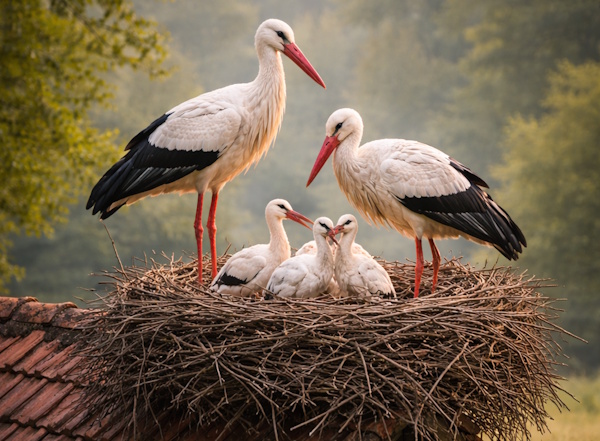
While many visitors focus on cultural landmarks such as Krakow’s Main Market Square, Wawel Castle or the historic district of Kazimierz, Poland’s countryside offers a completely different experience: open fields, wetlands and traditional villages where white storks nest every year.
This detailed guide explains where to see storks in Poland, the best regions near Krakow, migration patterns, cultural significance and whether a stork-focused trip is worth adding to your itinerary.
🌿 Nature & Regional Tours from Krakow
Discover rural landscapes and countryside excursions around southern Poland.
| Topic | Link |
|---|---|
| Animals | Animals in Poland |
| Moose (Elk) | Moose in Poland |
| Bisons | Bisons in Poland |
| Storks | Storks in Poland |
Why Poland Is Famous for Storks
Poland hosts one of the largest white stork populations in the world. During breeding season, tens of thousands of pairs nest across the country. Rural areas in eastern and northeastern Poland are particularly known for high nesting density.
White storks prefer open landscapes such as meadows, wetlands and agricultural fields. These environments provide easy access to insects, frogs, small mammals and earthworms.
The bird has become a national symbol. In many villages, residents build platforms to encourage nesting. A stork nest on a roof is traditionally seen as a sign of good luck.
Where Can You See Storks in Poland?
1. Northeastern Poland (Highest Density)
Regions such as Podlasie and Warmia-Masuria have the highest concentration of white storks. Villages often have multiple nests visible from the road.
2. Biebrza Wetlands
The Biebrza region is not only known for moose but also for extensive birdlife, including storks.
3. Southern Poland Near Krakow
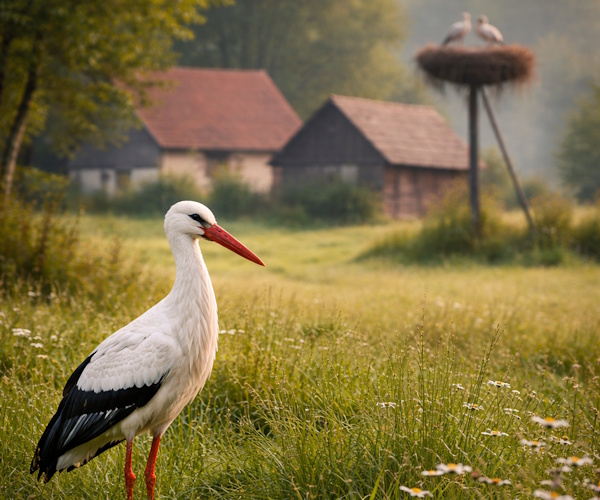
Although southern Poland has fewer storks than the northeast, rural areas outside Krakow still offer sightings. Day trips into the countryside or toward smaller villages can reveal nesting sites.
Can You See Storks in Krakow?
Storks rarely nest in the historic city center. However, short drives outside the urban area increase the chances of sightings.
Visitors who plan countryside excursions often combine them with cultural highlights such as the Cloth Halls, Underground Museum or Schindler’s Factory.
Migration – When Do Storks Arrive?
White storks migrate between Europe and Africa. They typically arrive in Poland in March or April and leave in August or September.
- Spring (March–May): Arrival and nest preparation
- Summer (June–July): Feeding chicks
- Late summer (August): Preparation for migration
Winter is not suitable for stork watching, as the birds migrate south.
What Do White Storks Eat?
Storks feed mainly on:
- Insects
- Frogs
- Small rodents
- Earthworms
- Occasionally small reptiles
They forage in open fields and wetlands, often walking slowly through grass in search of prey.
Nesting Behavior
White storks build large nests made of branches. These nests can weigh several hundred kilograms over time, as birds reuse and expand them annually.
Nests are commonly located on:
- Chimneys
- Utility poles
- Rooftops
- Special wooden platforms
Are Storks Dangerous?
White storks are not dangerous to humans. They may defend their nests but rarely interact directly with people.
How to Plan a Stork Trip from Krakow
Short Countryside Drive
Rent a car and explore rural villages south or east of Krakow.
Combine with Zakopane Region
A bus tour to Zakopane passes through smaller towns where storks may be visible during the season.
Multi-Day Birdwatching Trip
Travel to northeastern Poland for the highest nesting density.
🏨 Accommodation in Rural Poland
Stay overnight in countryside guesthouses for better wildlife access.
Cultural Significance of Storks in Poland
Storks are often associated with fertility, family and prosperity. In many regions, villagers protect nests and celebrate the birds’ annual return.
Unlike urban attractions such as the St. Mary’s Church or Wawel Cathedral, stork watching offers a connection to rural traditions and seasonal life.
Photography Tips
- Use a telephoto lens
- Visit early morning
- Respect nesting sites
- Avoid drones near nests
Pros & Cons of a Stork-Focused Trip
Pros
- Unique cultural wildlife experience
- Easy to observe during summer
- Family-friendly
Cons
- Seasonal availability
- Better sightings in northeastern Poland
Is It Worth Visiting?
If you visit Poland between spring and summer, seeing white storks in rural areas adds a seasonal and authentic dimension to your trip. While Krakow offers history and architecture, countryside stork watching highlights Poland’s natural heritage.
FAQ – Storks in Poland (White Stork / Ciconia ciconia)
Why is Poland famous for storks?
Poland hosts one of the largest white stork populations in the world. Tens of thousands of breeding pairs return every spring, especially to rural areas in eastern and northeastern Poland. The bird has become a national symbol associated with tradition and countryside life.
What species of stork lives in Poland?
The most common species is the white stork (Ciconia ciconia). Black storks (Ciconia nigra) also live in Poland, but they are far more elusive and prefer dense forests.
When do storks arrive in Poland?
White storks usually arrive in late March or early April after migrating from Africa. Their arrival is often seen as a sign of spring.
When do storks leave Poland?
They typically leave in August or September to migrate back to Africa for the winter.
Where are the best regions to see storks in Poland?
Northeastern Poland, including Podlasie and Warmia-Masuria, has the highest nesting density. However, rural areas throughout the country may host nests.
Can I see storks near Krakow?
Yes, but mainly in rural areas outside the city. A short drive into the countryside during spring or summer increases the chance of sightings.
Are storks found in Krakow city center?
They rarely nest in the historic city center. Storks prefer open landscapes and village rooftops rather than dense urban areas.
How large are white storks?
White storks have a wingspan of up to 2 meters and stand around 1 meter tall. They are large, easily recognizable birds with white bodies and black wing feathers.
What do storks eat?
They mainly feed on insects, frogs, small rodents, worms and occasionally reptiles. They forage in fields and wetlands.
Are storks dangerous?
No. White storks are not dangerous to humans. They may defend their nests if disturbed but generally avoid close contact.
Do storks reuse the same nest every year?
Yes. Many pairs return to the same nest annually. Over time, nests grow very large because new material is added each year.
How heavy can a stork nest become?
Large nests can weigh several hundred kilograms due to accumulated branches and materials over many years.
Do storks make sounds?
White storks do not sing like many birds. They communicate mainly through bill-clattering, a distinctive clicking sound.
Are storks protected in Poland?
Yes. White storks are protected under Polish and European wildlife laws.
How many storks live in Poland?
Poland hosts one of the largest global populations, with tens of thousands of breeding pairs recorded each season.
What is the cultural meaning of storks in Poland?
Storks are associated with good luck, fertility and family life. In many villages, residents actively protect nesting sites.
Is summer the best time to see storks?
Yes. From April to July, storks are nesting and feeding chicks, making them easier to observe.
Are there black storks in Poland?
Yes, but they are rare and shy. Black storks prefer remote forests and are much harder to see than white storks.
Can I photograph storks?
Yes. Photography is allowed, but visitors should keep a respectful distance and avoid disturbing nests.
Do storks migrate alone?
They often migrate in groups, traveling long distances to sub-Saharan Africa and returning to Europe each spring.
Are storks active all day?
They are most active during daylight hours when foraging for food in open fields.
Do storks live near wetlands?
Yes. Wetlands, meadows and agricultural fields provide ideal feeding conditions.
Is winter suitable for stork watching?
No. Most white storks leave Poland during winter months.
Can children safely observe storks?
Yes. Stork watching is family-friendly as long as nests are respected and not disturbed.
Is it worth looking for storks while visiting Krakow?
If you visit between spring and summer, adding a short countryside excursion to observe storks can provide an authentic rural experience alongside Krakow’s historic attractions.
Conclusion
Storks in Poland are more than just birds—they are part of the country’s identity. While Krakow’s historic sites such as Sigismund Bell and the historic churches of Krakow represent cultural heritage, white storks symbolize rural tradition and seasonal renewal.
For travelers visiting between spring and summer, a short countryside excursion to observe storks can provide a meaningful contrast to urban sightseeing.