 Posted by
 Many travelers ask the same question before visiting: Is tap water in Poland safe to drink? The short answer is yes – in most parts of Poland, tap water is safe and meets European Union quality standards. However, there are some practical details that tourists should understand.
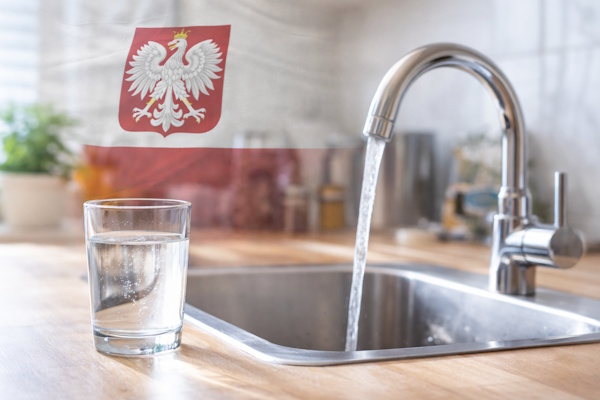
This guide explains water quality, safety standards, regional differences, taste, bottled water culture and what travelers should know before drinking tap water in Poland.
Is Tap Water Safe in Poland?
Yes. Tap water in Poland is generally safe to drink. It complies with strict European Union drinking water regulations and is regularly tested for safety and quality.
Major cities such as:
- Warsaw
- Krakow
- Gdansk
- Wroclaw
- Poznan
have modern water treatment systems and high-quality municipal water supply.
EU Water Quality Standards
Poland follows European Union drinking water directives. Water is tested for:
- Bacteria and microorganisms
- Heavy metals
- Nitrates and chemicals
- Chlorine levels
Testing is performed regularly by local water authorities. In urban areas, tap water quality is comparable to other EU countries.
Does Tap Water Taste Good in Poland?
Water taste can vary depending on the region. In some cities, tap water may have a slight chlorine taste. This does not indicate poor quality; chlorine is used for disinfection.
In many areas, the taste is neutral and suitable for drinking without filtration.
Is Tap Water Safe in Rural Areas?
In small villages or remote countryside, water systems may vary. While municipal systems are generally safe, private wells in rural homes are not always regulated to the same standard.
Tourists staying in hotels, apartments or guesthouses can usually drink tap water safely unless the host advises otherwise.
Tap Water in Hotels in Poland
Hotel tap water in Poland is safe for:
- Drinking
- Brushing teeth
- Making coffee or tea
- Cooking
If any temporary issue occurs, hotels normally inform guests.
Do Polish People Drink Tap Water?
Many Polish residents drink tap water, especially in major cities. However, bottled water remains popular due to tradition and personal preference.
In restaurants, bottled water is more common than tap water service.
Bottled Water in Poland
Bottled water is widely available and inexpensive in supermarkets. There are two main types:
- Still water (niegazowana)
- Sparkling water (gazowana)
Prices are generally low compared to Western Europe.
Hard Water in Poland
Some regions have hard water with higher mineral content. Hard water is safe but may leave limescale in kettles or showerheads.
Hardness levels vary by city.
Using Tap Water for Cooking
Tap water in Poland is safe for cooking pasta, rice and other foods. It is also safe for washing fruits and vegetables.
Tap Water and Children
Tap water is safe for children in urban areas. For infants, some parents prefer bottled low-mineral water for preparing baby formula.
Water Filters in Poland
Some residents use water filters (e.g., pitcher filters) to improve taste or reduce mineral content. Filters are not required for safety reasons but may improve flavor in certain regions.
What About Public Drinking Fountains?
Public drinking fountains are less common than in some Western European countries. Where available, they usually provide safe drinking water.
Is Tap Water Safe After Heavy Rain?
Municipal water systems are designed to handle weather changes. In rare cases of contamination risk, local authorities issue public warnings.
Can You Brush Your Teeth with Tap Water in Poland?
Yes. Tap water in Poland is safe for brushing teeth in all major cities and tourist areas.
Environmental Considerations
Drinking tap water instead of buying bottled water reduces plastic waste and is environmentally friendly. Travelers staying longer may consider using a reusable water bottle.
When Should You Avoid Tap Water?
You should avoid tap water only if:
- Local authorities issue a warning
- Your host advises against it
- You are in a remote rural location using a private well
FAQ – Tap Water in Poland
Is tap water safe to drink in Poland?
Yes. Tap water in Poland is generally safe to drink, especially in cities and tourist areas. It meets European Union drinking water standards and is regularly tested for safety and quality.
Is tap water safe in Krakow?
Yes. Tap water in Krakow is safe and monitored under EU regulations. It is suitable for drinking, cooking and brushing teeth.
Is tap water safe in Warsaw?
Yes. Warsaw has modern water treatment facilities, and tap water is safe to drink directly from the tap.
Is tap water safe in Gdansk?
Yes. Gdansk tap water is treated and tested regularly. It is safe for tourists and residents.
Does tap water in Poland taste good?
Taste varies by region. In some cities, you may notice a slight chlorine flavor used for disinfection. This does not affect safety. If preferred, you can chill the water or use a filter to improve taste.
Is Polish tap water chlorinated?
Yes. Small amounts of chlorine are used to disinfect water and maintain hygiene standards. Chlorine levels are within safe limits.
Is tap water safe in rural areas of Poland?
Municipal water systems in towns and villages are generally safe. However, private wells in remote areas may not follow the same regulations. If unsure, ask your host.
Can I brush my teeth with tap water in Poland?
Yes. Tap water is safe for brushing teeth throughout Poland’s cities and tourist regions.
Is tap water safe for making coffee or tea?
Yes. Tap water is safe for cooking, boiling and preparing hot drinks.
Do hotels in Poland provide safe tap water?
Yes. Hotels in Poland use municipal water systems that comply with EU standards. Tap water in hotels is safe unless otherwise stated.
Do Polish people drink tap water?
Many people drink tap water, especially in larger cities. However, bottled water remains popular due to personal preference and tradition.
Is bottled water necessary in Poland?
No, bottled water is not necessary for safety. It is a matter of taste preference.
Is sparkling water common in Poland?
Yes. Sparkling water (gazowana) is very popular and widely available in supermarkets and restaurants.
Is tap water safe for children?
Yes. Tap water in cities is safe for children. For infants, some parents prefer bottled low-mineral water for preparing formula.
Does Poland have hard water?
Some regions have harder water with higher mineral content. Hard water is safe but may cause limescale buildup.
Are there public drinking fountains in Poland?
Public drinking fountains are less common than in some Western European countries, but where available, they usually provide safe drinking water.
Can I refill my reusable water bottle in Poland?
Yes. Refilling from tap water in cities is safe and environmentally friendly.
Is tap water safe after heavy rain?
Water treatment facilities are designed to handle weather changes. In rare cases of contamination risk, authorities issue public warnings.
Is tap water safe in the mountains, such as Zakopane?
Municipal tap water in mountain towns like Zakopane is generally safe. However, natural stream water should not be consumed without treatment.
Is it safe to drink tap water in restaurants?
Tap water is safe, but Polish restaurants usually serve bottled water rather than free tap water.
What should I do if tap water looks cloudy?
Cloudy water is often caused by air bubbles and usually clears after a few seconds. If water remains discolored, avoid drinking it and contact the property owner.
Is tap water safe for washing fruits and vegetables?
Yes. Tap water in Poland is safe for washing food.
Are there any regions in Poland where tap water is unsafe?
There are no major regions where municipal tap water is generally unsafe. Temporary local issues may occur but are rare and usually communicated publicly.
Does tap water quality differ between cities?
Minor taste differences may occur due to mineral content, but safety standards are consistent nationwide.
Should I use a water filter in Poland?
Water filters are optional and mainly used to improve taste or reduce limescale. They are not necessary for safety in cities.
Conclusion
Tap water in Poland is safe to drink in cities and tourist regions. It meets EU safety standards and is regularly tested. While bottled water is popular, travelers can confidently drink tap water in most situations. For longer stays, using a reusable bottle is both practical and environmentally responsible.